Domain fgpc.de kaufen?
Wir ziehen mit dem Projekt
fgpc.de um.
Sind Sie am Kauf der Domain
fgpc.de interessiert?
domain@kv-gmbh.de · 0541-91531010
Domain fgpc.de kaufen?
Foul oder kein Foul im Fußball?
Ob es sich um ein Foul im Fußball handelt oder nicht, hängt von verschiedenen Faktoren ab, wie zum Beispiel der Art des Kontakts, der Absicht des Spielers und den Regeln des Wettbewerbs. Die Entscheidung liegt letztendlich beim Schiedsrichter, der die Situation bewertet und entsprechend handelt. Es kann jedoch zu unterschiedlichen Meinungen kommen, da Fußball ein subjektiver Sport ist. **
Ist es ein Foul oder kein Foul?
Das kann ich nicht beurteilen, da ich nicht weiß, um welches spezifische Ereignis oder Spiel es sich handelt. Um festzustellen, ob es ein Foul war oder nicht, müssten die Regeln des betreffenden Sports und die Umstände des Vorfalls berücksichtigt werden. **

Ähnliche Suchbegriffe für GE2020-Fair-or-Foul
Top-Angebote
Produkte zum Begriff GE2020-Fair-or-Foul:
-
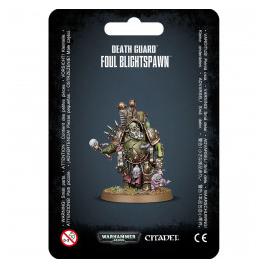
Vallejo Game Color 046 Foul GreenVallejo Game Color 046 Foul Green von Vallejo Game Color 046 Foul Green - lichtecht, alterungsbeständig, hochpigmentiert - 18 ml pro Fläschchen - Tropfenzähler für genaues Dosieren und gegen Austrocknung! - Acryl-Basis (kann mit Wasser verdünnt werden)2,21 €*Versand: 6,90 €Sichere Weiterleitung zum Anbieter


-
Ist das ein Foul?
Das hängt von der spezifischen Situation und den Regeln des jeweiligen Sports ab. Ohne weitere Informationen kann ich nicht beurteilen, ob es sich um ein Foul handelt. **
-
Cake or fake?
It depends on the context. If you are asking about a choice between eating cake or something that is not real, then cake would be the preferred option. However, if you are asking about the authenticity of something, then fake would imply that it is not genuine or real. **
-
Will or gonna?
"Will" and "gonna" are both used to express future actions, but there are slight differences in their usage. "Will" is more formal and is used in more formal situations, while "gonna" is a more informal and colloquial way of expressing future actions. **
-
Do or does?
The choice between "do" and "does" depends on the subject of the sentence. "Do" is used with plural subjects and "does" is used with singular subjects. For example, "They do their homework" and "She does her homework." **


Anyway or anyways?
Both "anyway" and "anyways" are commonly used in spoken English to mean the same thing. However, "anyway" is more widely accepted and considered to be the standard form. "Anyways" is often considered to be more informal or colloquial. **
Doesn't or don't?
The correct form to use depends on the subject of the sentence. "Doesn't" is used with singular subjects, while "don't" is used with plural subjects. For example, "He doesn't like coffee" (singular subject) and "They don't like coffee" (plural subject). **
Top-Angebote
Produkte zum Begriff GE2020-Fair-or-Foul:
-
Vallejo Game Color 046 Foul GreenVallejo Game Color 046 Foul Green von Vallejo Game Color 046 Foul Green - lichtecht, alterungsbeständig, hochpigmentiert - 18 ml pro Fläschchen - Tropfenzähler für genaues Dosieren und gegen Austrocknung! - Acryl-Basis (kann mit Wasser verdünnt werden)2,21 €*Versand: 6,90 €Sichere Weiterleitung zum Anbieter
-
Foul oder kein Foul im Fußball?
Ob es sich um ein Foul im Fußball handelt oder nicht, hängt von verschiedenen Faktoren ab, wie zum Beispiel der Art des Kontakts, der Absicht des Spielers und den Regeln des Wettbewerbs. Die Entscheidung liegt letztendlich beim Schiedsrichter, der die Situation bewertet und entsprechend handelt. Es kann jedoch zu unterschiedlichen Meinungen kommen, da Fußball ein subjektiver Sport ist. **
-
Ist es ein Foul oder kein Foul?
Das kann ich nicht beurteilen, da ich nicht weiß, um welches spezifische Ereignis oder Spiel es sich handelt. Um festzustellen, ob es ein Foul war oder nicht, müssten die Regeln des betreffenden Sports und die Umstände des Vorfalls berücksichtigt werden. **
-
Ist das ein Foul?
Das hängt von der spezifischen Situation und den Regeln des jeweiligen Sports ab. Ohne weitere Informationen kann ich nicht beurteilen, ob es sich um ein Foul handelt. **
-
Cake or fake?
It depends on the context. If you are asking about a choice between eating cake or something that is not real, then cake would be the preferred option. However, if you are asking about the authenticity of something, then fake would imply that it is not genuine or real. **
Ähnliche Suchbegriffe für GE2020-Fair-or-Foul
-
Will or gonna?
"Will" and "gonna" are both used to express future actions, but there are slight differences in their usage. "Will" is more formal and is used in more formal situations, while "gonna" is a more informal and colloquial way of expressing future actions. **
-
Do or does?
The choice between "do" and "does" depends on the subject of the sentence. "Do" is used with plural subjects and "does" is used with singular subjects. For example, "They do their homework" and "She does her homework." **
-
Anyway or anyways?
Both "anyway" and "anyways" are commonly used in spoken English to mean the same thing. However, "anyway" is more widely accepted and considered to be the standard form. "Anyways" is often considered to be more informal or colloquial. **
-
Doesn't or don't?
The correct form to use depends on the subject of the sentence. "Doesn't" is used with singular subjects, while "don't" is used with plural subjects. For example, "He doesn't like coffee" (singular subject) and "They don't like coffee" (plural subject). **
* Alle Preise verstehen sich inklusive der gesetzlichen Mehrwertsteuer und ggf. zuzüglich Versandkosten. Die Angebotsinformationen basieren auf den Angaben des jeweiligen Shops und werden über automatisierte Prozesse aktualisiert. Eine Aktualisierung in Echtzeit findet nicht statt, so dass es im Einzelfall zu Abweichungen kommen kann. ** Hinweis: Teile dieses Inhalts wurden von KI erstellt.